
Travel Vaccines
Yellow Fever Vaccine
£79/Total
Doses01
Price per dose£79
Loading…
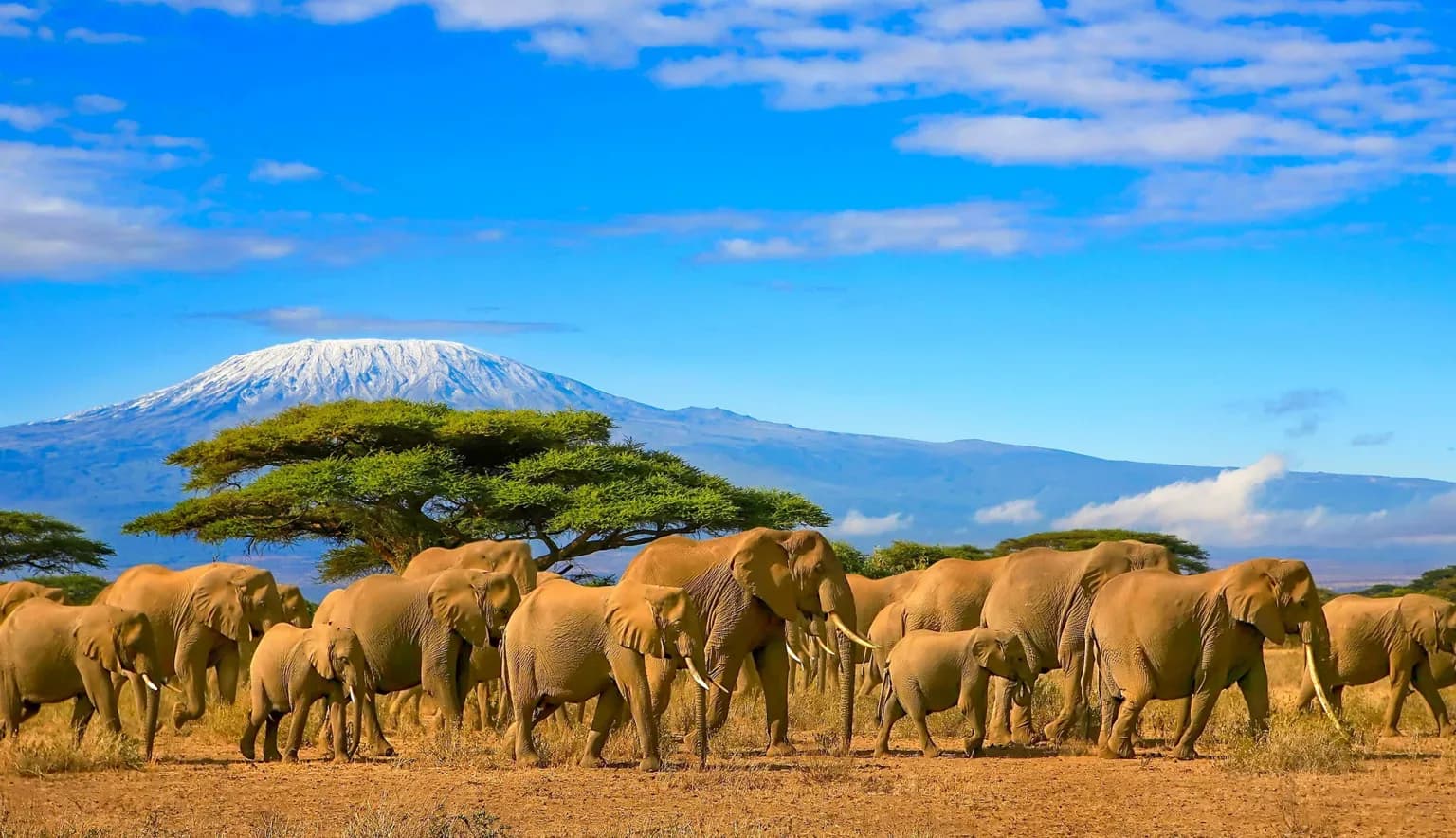
Tanzania is home to Mount Kilimanjaro, the Serengeti, Ngorongoro Crater, and the island of Zanzibar — some of Africa's most iconic destinations. Yellow Fever certification is required if arriving from an endemic country. Malaria is present throughout the country including Zanzibar and all safari areas, making anti-malarial medication essential for virtually all visitors.
These vaccines may be required for entry to Tanzania or if transiting through endemic areas.
£79/Total
These vaccines are strongly recommended for travel to Tanzania. Our pharmacist will advise which are most relevant to your specific itinerary.
£59/Total
£39/Total
£165/Total
£297/Total
£49/Total
Moderate Risk Level
Malaria risk is high throughout Tanzania, including Dar es Salaam, Zanzibar, and all safari areas (Serengeti, Ngorongoro, Tarangire, Lake Manyara). Risk is lower but still present above 1,800m on Kilimanjaro — prophylaxis is recommended for the approach trek even if not for the summit itself. Anti-malarial tablets are essential for all visits.

Practical tips to help you stay safe, healthy, and prepared throughout your trip.
Yellow Fever must be given at least 10 days before arrival. Plan 6–8 weeks ahead for Rabies if trekking Kilimanjaro or visiting remote areas. Same-day Yellow Fever + Typhoid + DTP available.
June to October (dry season, best for safari wildlife viewing). January to February is also dry and good for calving season in the Serengeti. The long rains are March to May, short rains November to December.
Official recommendations from UK health authorities for travel to Tanzania. Always consult a healthcare professional for advice tailored to your specific itinerary.
“A Yellow Fever vaccination certificate is required for travellers arriving from countries with risk of Yellow Fever transmission, including those transiting for more than 12 hours.”
Accessed April 2026
View Source