
Travel Vaccines
Hepatitis A Vaccine
£59/Total
Loading…
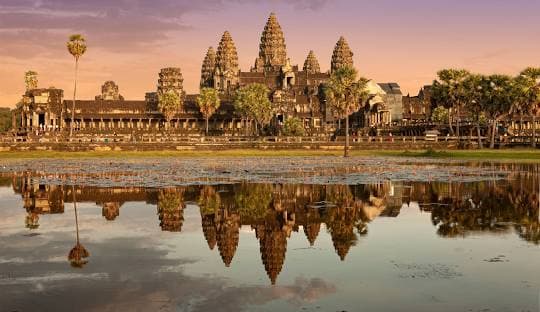
Cambodia is home to the Angkor Wat temple complex — one of the world's most spectacular archaeological sites — along with Phnom Penh's Royal Palace, the beaches of Sihanoukville, and the riverside town of Battambang. No vaccinations are legally required for direct entry from the UK, but several are strongly recommended. Dengue is widespread and malaria exists in remote border areas.
These vaccines are strongly recommended for travel to Cambodia. Our pharmacist will advise which are most relevant to your specific itinerary.
£59/Total
£39/Total
£165/Total
£297/Total
£238/Total
Moderate Risk Level
Malaria risk in Cambodia is mainly in forested border areas with Thailand, Laos, and Vietnam. Siem Reap (Angkor Wat), Phnom Penh, and the main tourist areas are considered low-risk. Anti-malarial tablets are usually only recommended for travel to remote forested regions — our pharmacist will assess your itinerary.

Practical tips to help you stay safe, healthy, and prepared throughout your trip.
Ideally 6–8 weeks before departure for Rabies and Japanese Encephalitis. Hepatitis A, Typhoid, and DTP can be given same-day for last-minute travellers.
November to April (dry season, cooler temperatures). December to February is peak season for Angkor Wat. The wet season (May–October) brings intense but short afternoon rain, fewer crowds, and lush landscapes.
Official recommendations from UK health authorities for travel to Cambodia. Always consult a healthcare professional for advice tailored to your specific itinerary.
“Recommended vaccines for Cambodia include Hepatitis A, Typhoid, Hepatitis B, Japanese Encephalitis, and Rabies depending on your itinerary.”
Accessed April 2026
View Source